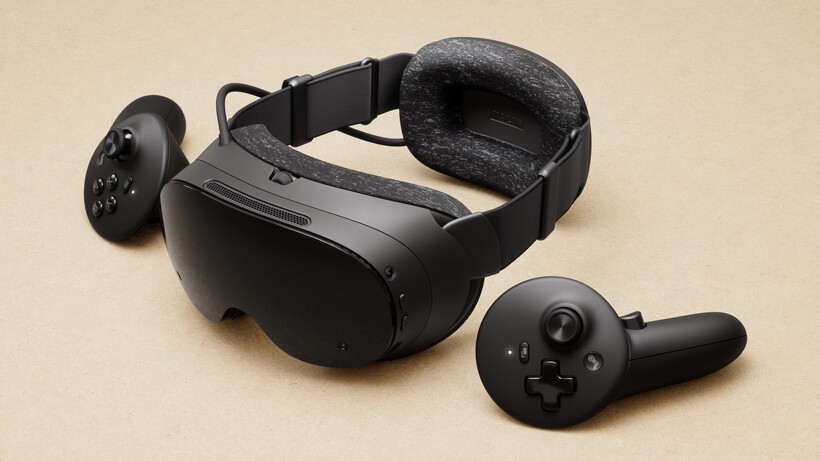
Valve has finally unveiled the Steam Frame, a long-anticipated independent VR headset. Set to launch in early 2026, this device is engineered to combine the high-quality graphics of PC gaming with the convenience of wireless technology, powered by a VR-optimized version of SteamOS.
The most notable feature of the Steam Frame is its 'streaming-first' design. It comes with a specialized Wi-Fi 6E adapter that connects directly to your PC (or the newly announced Steam Machine), establishing a direct, low-latency wireless connection that bypasses your home network.
This innovative setup is driven by a dual-radio system within the headset: one radio manages the intensive tasks of video and audio streaming, while the other maintains a steady internet connection.
In terms of visual performance, the Steam Frame boasts dual 2160×2160 LCD panels, matching the resolution of the Quest 3 but doubling the pixel count of the older Valve Index. The headset supports refresh rates up to 144Hz and introduces Foveated Streaming, which uses integrated eye tracking to enhance image quality in the user's direct line of sight, thereby conserving bandwidth.
The standalone dream
However, the Steam Frame is more than just a streaming device; it functions as a fully capable standalone console, similar to the Meta Quest 3.
Equipped with a powerful Snapdragon 8 Gen 3 processor, 16GB of RAM, and up to 1TB of storage, the Steam Frame can deliver native game performance. Running on SteamOS, it provides access to an extensive library of both VR and traditional flat-screen Steam games, and even supports Android applications.
Despite housing a rear-mounted battery, the headset remains lightweight at just 440g. It features pancake lenses for a slim profile, built-in audio, and 6-degree-of-freedom tracking through four monochrome cameras. Although it lacks color passthrough, it includes infrared LEDs for use in low-light conditions.
With new split-pad controllers, Valve is positioning the Steam Frame as a premium, open-platform alternative to Meta's more restrictive ecosystem. Whether it will successfully challenge Meta's market dominance remains to be seen.